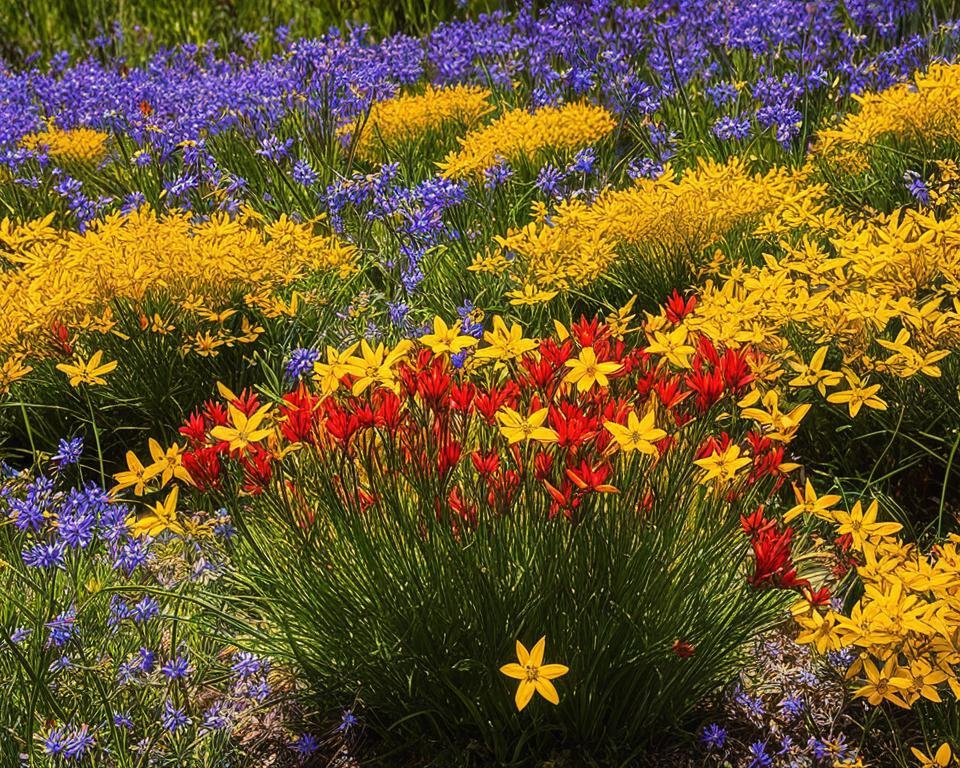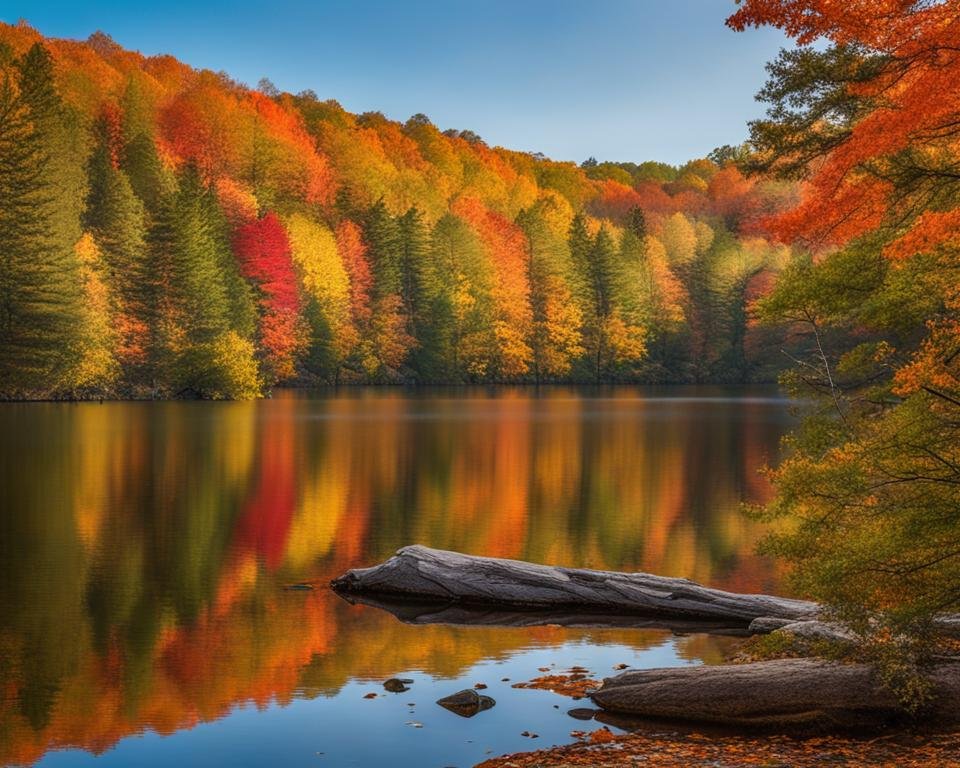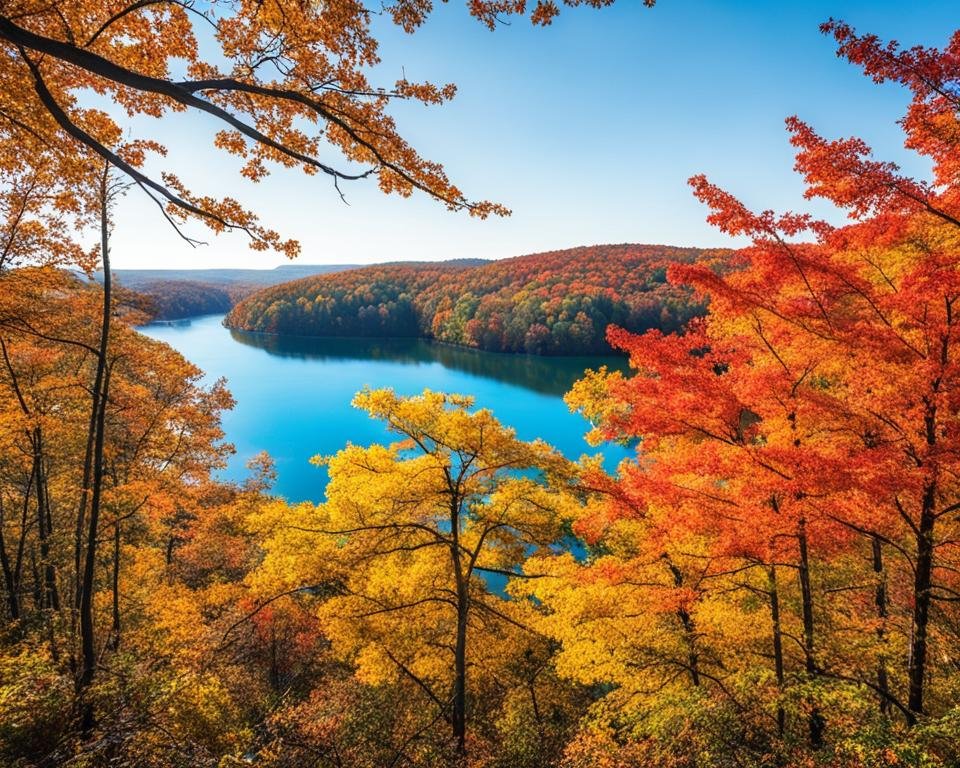
Montgomery Bell State Park stargazing

Stargazing at Montgomery Bell State Park
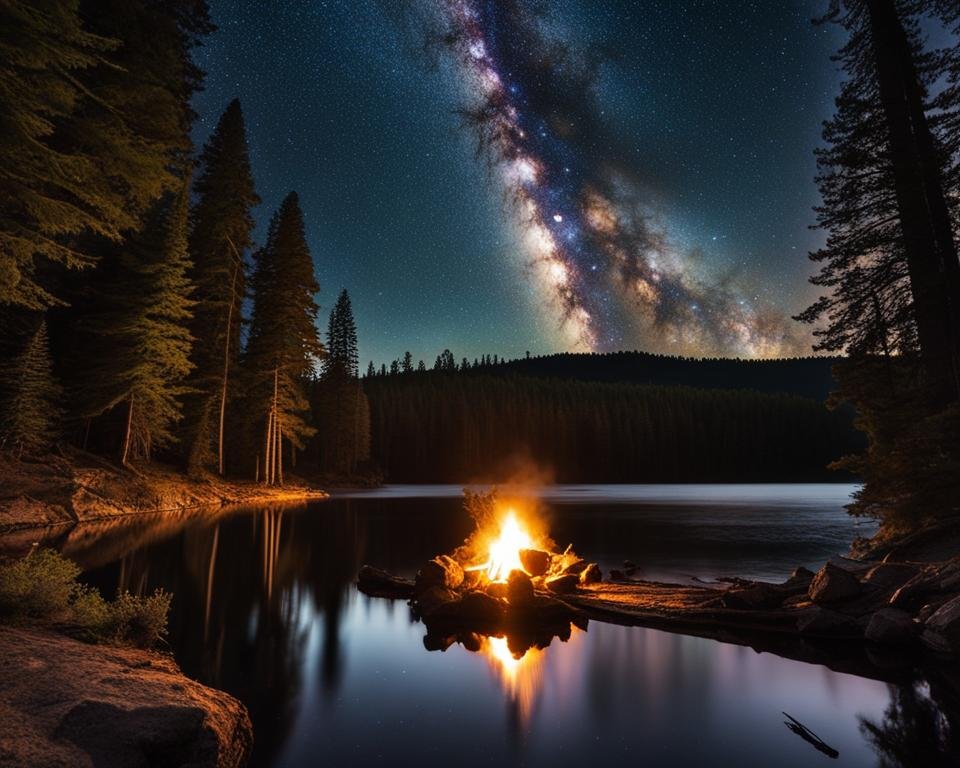
Stargazing at Montgomery Bell State Park can add a quiet finish to an outdoor day, but the park is not a guaranteed dark-sky destination. Clouds, humidity, moonlight, nearby lighting, tree cover, and access rules all affect what you will see. A successful evening begins with realistic expectations and a safe location.

Check the sky and the rules

  • Review the hourly forecast, cloud cover, moon phase, and sunset time.
  • Confirm that your chosen area remains open after dark.
  • Do not enter closed roads, trails, fields, or reserved areas for a darker view.
  • Ask park staff about scheduled astronomy or night programs.

Choose a safe viewing area

Look for a legal, open area with a broad view of the sky and a safe place to stand away from traffic. Scout it in daylight, note curbs and uneven ground, and keep pathways clear. The park map helps with orientation but does not replace current access guidance.

What to bring

  • A red-light flashlight or dimmable light
  • Warm layers, even after a hot day
  • Insect repellent and water
  • A reclining chair or blanket where permitted
  • Binoculars before investing in a telescope
  • A downloaded sky-identification app used at low brightness

Protect your night vision

Allow your eyes time to adjust. Dim screens, use red light, and avoid shining lights toward other visitors. Start with the moon and bright planets when visible, then look for constellations and wider star fields.

Night photography

A stable tripod, manual exposure, and a wide lens can help, but do not block access or leave equipment unattended. Review the photography guide and confirm any rules affecting organized or commercial shoots.

Stay overnight

A nearby room or campsite makes a late finish safer. Compare the lodging hub, lodge, cabins, and camping.

Stargazing questions

Can I stargaze anywhere in the park?

No. Use only areas open to visitors at that time and follow posted restrictions.

Do I need a telescope?

No. The unaided eye and binoculars are excellent starting tools.

Is a new moon always best?

A darker moon phase can reveal fainter stars, while a brighter moon is easier to observe and photograph. Choose according to your goal.

Montgomery Bell State Park safety

Montgomery Bell State Park Trail Safety Guide

Montgomery Bell State Park trails can feel close to developed park areas, but ordinary outdoor risks still apply. Weather changes, wet surfaces, heat, darkness, navigation errors, and overestimating a group’s ability can turn a pleasant walk into a difficult situation. Preparation should match the route and conditions.

Before starting

  • Choose a route using the hiking guide and park map.
  • Check weather, trail notices, daylight, and current closures.
  • Tell someone your route and expected return time.
  • Carry water, necessary food, appropriate footwear, weather layers, a light, and basic first-aid supplies.
  • Download or photograph the map; do not depend entirely on cellular service.

Choose for the least-experienced person

Distance is only part of difficulty. Surface, elevation change, mud, heat, stream crossings, pace, and the distance back to the trailhead all matter. Turn around early when someone is struggling; reaching a planned landmark is never more important than returning safely.

Weather and trail surfaces

Rain can make roots, rocks, slopes, and wooden surfaces slippery. Heat increases water needs and can affect children, older adults, and pets quickly. Cold rain can become dangerous even when temperatures do not sound extreme. Postpone the outing when conditions exceed your group’s preparation.

Navigation

Know the trail name and trailhead before leaving. Watch junctions, periodically confirm your location, and avoid following an unofficial path simply because it appears well traveled. If you become uncertain, stop and reassess rather than continuing quickly in a guessed direction.

Wildlife, plants, and insects

Give animals room, never feed them, check for ticks after the hike, and avoid touching unknown plants. Keep pets controlled and follow posted rules. The nature and wildlife guide explains responsible observation.

If something goes wrong

For a life-threatening emergency, call 911 if service is available. Provide the park name, trail, last known junction or landmark, direction of travel, number of people, and nature of the emergency. Conserve phone power and avoid separating the group unless immediate danger requires movement.

Special considerations

Children

Keep children within sight and reach near water, roads, steep ground, and trail junctions. Build in snacks, rest, and an easy turnaround.

Solo hikers

Share a precise plan and return time. Carry redundant navigation and avoid increasing risk simply because no one else is present.

Evening outings

Carry a real light for every person and know access rules. Phone flashlights drain batteries and are a poor primary plan.

Final trail check

Ask four questions before leaving the trailhead: Do we know the route? Do we have enough daylight? Do we have water and weather protection? Is every person comfortable with this plan? If any answer is no, change the plan.

Return to Things to Do for alternatives, or compare seasonal conditions in the best-time-to-visit guide.

Montgomery Bell State Park day trip

One-Day Itinerary for Montgomery Bell State Park

A satisfying day at Montgomery Bell State Park needs room to breathe. This itinerary combines a trail, park history, Lake Acorn, and a meal without turning the visit into a race. Adjust it for weather, daylight, mobility, and the interests of your group.

Before you arrive

  • Check current park notices, weather, trail conditions, and operating hours.
  • Save the park map before leaving reliable service.
  • Bring water, suitable shoes, sun and rain protection, and any activity-specific equipment.
  • Choose one priority experience and treat everything else as optional.

Morning: begin with a trail

Start while temperatures are comfortable and your group has energy. Use the hiking guide to select a route for the least-experienced person with you. Build in turnaround time and avoid adding distance simply because the morning is going well.

Late morning: understand the park

Montgomery Bell’s landscape carries stories of the iron industry, Cumberland Presbyterian heritage, and public recreation development. Read the park and history guide before visiting so the historic sites mean more than a quick photograph.

Midday: picnic or dine

A picnic gives you flexibility; the park restaurant offers an indoor alternative when conditions or energy change. Compare the picnic guide and restaurant guide. Confirm current restaurant hours before relying on it.

Afternoon: choose one lake experience

Let Lake Acorn anchor the afternoon. Depending on season, conditions, and current rules, your choice might be a lakeside walk, paddling, fishing, or simply time near the water. Do not try to force several water activities into the same short visit.

Late afternoon: a flexible finish

If everyone still has energy, add a brief nature walk, birding, or photography. Families can use the family activities guide to simplify the day.

When one day is not enough

Compare the Places to Stay guide, including the lodge, cabins, and camping. An overnight stay makes an early hike or evening outdoors much easier.

Day-trip questions

Can we do every major activity in one day?

No—and the visit will usually be better if you do not try. Select a trail, one lake or history experience, and a meal plan.

What is the best backup plan?

Keep a shorter outdoor route and an indoor meal option ready. Severe weather may require postponing rather than substituting another activity.

For more possibilities, return to the Things to Do hub.

Montgomery Bell State Park picnics

Picnicking at Montgomery Bell State Park

A good picnic at Montgomery Bell State Park depends less on finding a secret “best spot” and more on matching the setting to your group. Decide whether you need easy parking, lake scenery, room for children, proximity to a trail, or a reservable group facility—then confirm current access before leaving home.

Choose your picnic setting

Near Lake Acorn

The Lake Acorn area can work well when you want water views and nearby park activity. It may also be busier at popular times. Review the Lake Acorn guide and arrive with a backup location.

Before or after a hike

A trail-adjacent meal can divide the day naturally, but do not leave food or valuables exposed in a vehicle. Choose an appropriate route through the hiking guide and carry out every scrap.

For a family visit

Prioritize shade, straightforward access, restroom proximity, and a plan for changing weather. The family activities guide can help you build the rest of the day.

For a larger group

Do not assume an open table or shelter will accommodate an organized gathering. Check whether a pavilion or group space must be reserved and confirm occupancy, parking, food, decoration, and cleanup rules with the park.

What to pack

  • Food stored in secure containers and more water than you expect to drink
  • Reusable plates and utensils when practical
  • Hand-cleaning supplies and a trash bag
  • Sun, rain, and insect protection
  • A cooler and safe food-temperature plan
  • A table covering only if allowed and secured without damaging park property

Leave the area better than you found it

Pack out all waste, including food scraps. Feeding wildlife—intentionally or accidentally—changes animal behavior and can create hazards. Do not pour grease or drinks onto the ground, and never leave hot coals or an unattended flame.

Build a picnic into the day

Use the one-day itinerary to combine lunch with hiking, history, or a lake activity. If weather changes, the park restaurant guide provides an indoor alternative, subject to current hours.

Picnic questions

Can we reserve a picnic shelter?

Some group facilities may be reservable. Availability, pricing, and rules can change, so verify directly through Tennessee State Parks.

Are grills allowed?

Use only approved facilities and follow current fire restrictions and posted rules. Never bring or operate equipment based on assumptions from an older article.

What if every table is occupied?

Carry a lawful, low-impact backup plan and never block a walkway, roadway, campsite, or reserved facility.

Confirm current facilities and reservations through the official park page.

Montgomery Bell State Park conservation

Ecology and Conservation at Montgomery Bell State Park

Montgomery Bell State Park protects more than a place to hike, fish, or stay overnight. Within the park, the Montgomery Bell State Natural Area preserves high-quality forest communities that help tell the ecological story of Tennessee’s Western Highland Rim.

The Montgomery Bell State Natural Area

The Tennessee Division of Natural Areas describes two protected tracts within the larger state park. Together they represent important oak-hickory forest communities, including drier ridge forests and more moisture-rich areas with large trees. The natural area was designated in 1998 and is managed as a Class II Natural-Scientific State Natural Area.

That distinction matters. The park is used for recreation, but parts of its landscape are also protected because of their scientific and conservation value. Visitors can help by remaining on established trails, leaving plants and natural objects in place, and avoiding activities that disturb wildlife or damage habitat.

Forests shaped by land use and recovery

The surrounding region has a long history of timber use and iron production. State information notes that iron furnaces once depended on the area’s forests for fuel and that the last recorded logging in the park occurred before the land came under public ownership. Today, the protected tracts allow visitors to see representative Western Highland Rim forest communities and understand how conservation and public recreation can share a landscape.

Conservation is active work

Protecting a park is not simply a matter of drawing a boundary. Tennessee’s current park-management planning addresses native plants, environmental awareness, cultural resources, forest and grassland restoration, natural-area monitoring, and improved interpretation of historic sites. Priorities and methods can change as conditions and scientific understanding change.

How visitors can reduce their impact

  • Stay on maintained trails and respect closures.
  • Do not collect flowers, plants, rocks, or historic objects.
  • Observe animals from a distance and never feed them.
  • Keep pets under control and follow posted leash rules.
  • Pack out trash and food scraps.
  • Clean footwear and outdoor equipment when moving between natural areas to reduce the spread of invasive species.
  • Report hazards or serious resource damage to park staff rather than attempting a repair yourself.

Experience the park’s natural side

Use our wildlife and nature guide for responsible viewing ideas, the birding guide for a focused outing, and the hiking guide to choose a route. The park map and Things to Do hub can help connect these experiences into a larger visit.

Official references

Conditions, boundaries, management priorities, and access guidance should be confirmed with the agencies responsible for the land:

Frequently asked questions

Is the entire state park a designated natural area?

No. The designated natural area consists of protected tracts within the larger state park. Both are publicly managed, but their designations and purposes are not identical.

Can visitors hike in the natural area?

The state lists public access and maintained trails. Check current park information and obey closures or posted restrictions before entering.

Why avoid publishing exact locations for sensitive plants or wildlife?

Precise location information can unintentionally increase disturbance, collection, or trampling. General habitat education is often more responsible than directing traffic to a vulnerable population.

Montgomery Bell State Park secrets

Quiet Places and Hidden Details at Montgomery Bell State Park

The quieter side of Montgomery Bell State Park is not a collection of secret locations. It is found by visiting familiar places at a slower pace, choosing less-crowded times, and paying attention to forest, water, history, and seasonal change. This guide avoids sending visitors off trail or publicizing sensitive locations.

Find quiet without going off trail

Begin early, visit on a weekday when possible, and choose an established route that fits your ability. Pause at ordinary overlooks, lake edges, and trail junctions rather than rushing toward a named attraction. Use the hiking guide and park map.

Look beyond the obvious view

Notice how ridges differ from moist hollows, how wind changes the surface of a lake, and how historic land use shaped today’s forest. The nature and wildlife guide and ecology guide provide useful context.

Explore the park’s history

Historic sites become more meaningful when you understand their connection to the iron industry, Cumberland Presbyterian heritage, and public recreation development. Read the park and history guide before visiting.

Choose a different lake experience

Instead of trying to see every lake, choose one setting and spend time there. Compare Lake Acorn, Lake Woodhaven, and Creech Hollow Lake in the park lakes guide.

Responsible low-crowd exploration

  • Stay on established routes and respect closures.
  • Do not create or follow informal social trails.
  • Keep sensitive wildlife and plant locations private.
  • Leave historic and natural objects untouched.
  • Carry out every item you bring.
  • Move elsewhere when your presence would crowd another visitor or animal.

A quiet half-day plan

Start with a short morning trail, spend late morning at one lake, and finish with a history stop or picnic. The goal is depth, not a checklist. For a fuller plan, use the one-day itinerary.

Montgomery Bell State Park Flowers

Wildlife and Nature at Montgomery Bell State Park

Montgomery Bell State Park is more than a collection of recreation facilities. Its forests, ridges, shallow valleys, lakes, and open areas create a varied landscape for watching birds, noticing seasonal plants, and slowing down enough to see how Middle Tennessee changes through the year.

The park also contains the Montgomery Bell State Natural Area, protected for its high-quality oak-hickory forest communities on the Western Highland Rim. That designation is a reminder that a family walk, a birding morning, and a serious nature study can all begin in the same park—but sensitive places deserve careful use.

What makes the landscape important

The designated natural area includes northern and southern tracts with different forest conditions. State natural-area information describes oak and hickory communities, moist forest areas with large trees, and a small remnant barrens community. These habitats support a richer experience than a simple checklist of species: the slope, light, moisture, season, and disturbance history all influence what you will see.

For a deeper look at protection and management, read Ecology and Conservation at Montgomery Bell State Park.

How to enjoy wildlife responsibly

  • Look and listen from a respectful distance. Do not approach, follow, touch, or feed wildlife.
  • Keep pets leashed where required and do not allow them to chase animals.
  • Stay on established routes, especially around sensitive vegetation and wet ground.
  • Carry binoculars or use a camera zoom instead of moving closer.
  • Leave nests, flowers, rocks, and natural objects where you find them.
  • Pack out food scraps and trash; even small scraps can change animal behavior.

Where to begin

Forest trails

A trail walk offers the best way to notice changes between ridges, hollows, young growth, and older forest. Move quietly and pause often. Our hiking guide will help you choose a route, while the park map helps place that route in the larger landscape.

Lakes and shorelines

Lake edges create opportunities to watch birds, insects, and changing plant communities. Begin with the Lake Acorn guide, and avoid crowding animals along the shoreline.

Quiet mornings and late afternoons

Wildlife activity and comfortable temperatures often make the edges of the day rewarding, but visibility may be lower. Carry a light, tell someone your plan, and know when park facilities and trail areas close.

Birding in the park

Birding is one of the easiest ways to experience the park in every season. Listen before you look, scan forest edges and water, and avoid recordings or close approaches that may stress birds. Visitors who want a more focused plan should use our Montgomery Bell birding guide.

Plants through the seasons

Spring growth, summer canopy, autumn color, and winter structure each reveal something different. Identification apps and field guides can help, but avoid treating an app’s result as certain—photographs, leaves, bark, habitat, and season all matter. Never collect plants, and do not publish precise locations for sensitive species.

Nature photography without damaging the place

Use longer focal lengths for animals, remain on durable surfaces, and resist moving branches or trampling plants for a cleaner composition. A photograph is not worth stressing wildlife or creating a new social trail. See our photographer’s guide for a broader trip-planning framework.

A simple nature-focused itinerary

Early morning: Take a quiet forest or lakeside walk. Late morning: stop for a meal or picnic and record what you observed. Afternoon: choose a different habitat rather than repeating the same route. If you stay overnight, compare the lodging options and consider an evening devoted to the night sky using the stargazing guide.

Check current conditions

Trail access, programs, closures, and wildlife guidance can change. Review the official Montgomery Bell State Park page before traveling. Detailed information about the protected forest is available from the Tennessee Division of Natural Areas.

Nature and wildlife questions

Is wildlife viewing guaranteed?

No. Wild animals move according to food, weather, season, disturbance, and many other factors. A quiet, patient visit is more realistic—and usually more rewarding—than expecting a particular sighting.

Can visitors enter the state natural area?

The state lists public access, parking, and trails, but visitors should confirm current conditions and follow all posted rules. Stay on maintained routes and protect sensitive habitat.

What should I bring?

Comfortable footwear, water, weather protection, insect repellent, a map, and binoculars are a strong starting kit. Add a field guide or notebook if you want to identify and record observations.

Montgomery Bell State Park Seasons

Best Time to Visit Montgomery Bell State Park

There is no single best season at Montgomery Bell State Park. Spring favors fresh growth and comfortable walking days; summer supports longer daylight and water-centered plans; autumn brings color and busy weekends; winter offers quieter woods and clearer views through the trees. The best choice depends on what you want to do.

Spring: changing conditions and fresh growth

Spring can reward hikers, birders, and photographers, but weather and trail surfaces may change quickly. Carry rain protection, expect mud after wet periods, and check current conditions. Explore hiking, birding, and the nature guide.

Summer: water, shade, and early starts

Long days make it easier to combine activities, but heat and humidity should shape the schedule. Hike early, rest during the hottest hours, carry more water than you expect to need, and verify seasonal operations before planning around rentals or swimming. See Lake Acorn, Boating, and Swimming.

Autumn: color and popular weekends

Autumn combines comfortable outdoor conditions with changing foliage, but peak color cannot be predicted precisely and popular weekends may be busy. Reserve lodging early, begin outings early in the day, and keep expectations flexible. Photography and hiking are natural anchors for an autumn visit.

Winter: quieter trails and a different landscape

Winter can reveal landforms and distant views hidden by foliage. Short daylight, cold rain, ice, and limited seasonal services require a conservative plan. Check conditions, carry layers, and finish well before dark.

Choose the season by activity

  • Hiking: spring and autumn often offer comfortable temperatures; every season requires a weather check.
  • Lake activities: warmer months may provide more options, subject to current rules and operations.
  • Wildlife and birding: rewarding year-round, with different species and behaviors by season.
  • Photography: spring growth, summer reflections, autumn color, and winter structure each create different opportunities.
  • Overnight stays: compare availability and cancellation terms in the lodging guide.

Seasonal planning checklist

  • Check the forecast and park alerts close to departure.
  • Confirm hours, programs, rentals, and facility availability.
  • Review daylight and allow a generous return margin.
  • Bring footwear and clothing for the least favorable likely conditions.
  • Use the park map and keep a shorter alternative ready.

Build the rest of your visit through the Things to Do hub or the one-day itinerary.

Montgomery Bell State Park photography

Montgomery Bell State Park Photography Guide

Montgomery Bell State Park rewards photographers who slow down. Forest edges, lake reflections, historic structures, changing weather, and seasonal color can all work—but the strongest images usually come from matching light and conditions to one location instead of rushing between many stops.

Begin with a responsible plan

  • Use the park map and scout public viewpoints in daylight.
  • Stay on established trails and durable surfaces.
  • Never approach, feed, call, or surround wildlife for a photograph.
  • Do not move natural or historic objects to improve a composition.
  • Confirm current rules before commercial shoots, drones, large equipment setups, or organized sessions.

Lake photography

Lake Acorn offers reflections, changing skies, shoreline detail, and a strong foreground for wider scenes. Wind, water level, season, and time of day change the result. Keep equipment secure near water and do not block paths or access points.

Forest and trail photography

Overcast light can reduce harsh contrast beneath the canopy. Look for layers, curves in the trail, bark texture, fungi, leaves, and the relationship between light and topography. Choose a route through the hiking guide and carry only equipment you can manage safely.

Historic places

Context matters. Wider images can show how a structure sits in the landscape, while details can reveal construction and age. Read the park and history guide before photographing historic sites, and treat religious or commemorative spaces respectfully.

Wildlife and birds

Use binoculars or a longer lens, remain quiet, and accept that the animal may never move into the frame you imagined. Review the nature and wildlife guide and birding guide.

Useful equipment

  • A phone or camera you already understand
  • Lens cloth and simple rain protection
  • Spare battery or power bank
  • Polarizing filter if you know how to use it around water and foliage
  • Tripod only where it can be used without obstructing others
  • Water, suitable footwear, and a small first-aid kit

Timing and safety

Golden-hour light can be attractive, but arriving before dawn or leaving after sunset adds navigation and safety concerns. Know access hours, carry a light, share your plan, and allow enough time to return before conditions deteriorate. Consult the trail safety guide.

A simple photography day

Start with one early lake or landscape location, walk a trail during softer morning light, break for lunch, and return to a different habitat later. The one-day itinerary can provide the basic structure, while the seasonal guide helps set realistic expectations.

Check current park rules and notices on the official Tennessee State Parks page.

Is Montgomery Bell State Park Free to Enter?

Montgomery Bell State Park generally does not charge a standard entrance fee simply to enter and enjoy the park. That does not mean every activity, facility, or service is free. Lodging, camping, golf, food, rentals, reservations, permits, special programs, and other optional services may carry separate charges.

What “no entrance fee” means

You can ordinarily enter the park and use many general public areas without buying a gate ticket. Tennessee State Parks supports public access through state funding and revenue from services and facilities rather than relying only on an entrance charge at each park.

Policies can change, and a special event or reserved facility may operate differently. Check the official park page before traveling.

What may still cost money

  • Lodge, cabin, and campsite reservations
  • Golf fees and related services
  • Meals, refreshments, and retail purchases
  • Equipment rentals or ticketed programs when offered
  • Fishing licenses or other state-required permits
  • Reserved shelters, meeting rooms, or group facilities

Plan a low-cost visit

A hike, nature observation, park history, and a packed picnic can create a full day with little expense beyond transportation and food. Start with the park map, choose a route from the hiking guide, and use the day-trip itinerary to avoid unnecessary purchases or driving.

Frequently asked questions

Is parking free?

General parking is typically part of park access, but verify posted signs and current rules for the specific area or event you plan to use.

Is fishing free?

Access to the shoreline is not the same as permission to fish without a license. Review current Tennessee fishing requirements and park rules before casting.

Does free entry include camping or lodging?

No. Overnight accommodations require reservations and payment. Compare options in the Places to Stay guide.

For the complete activity overview, visit Things to Do at Montgomery Bell State Park.