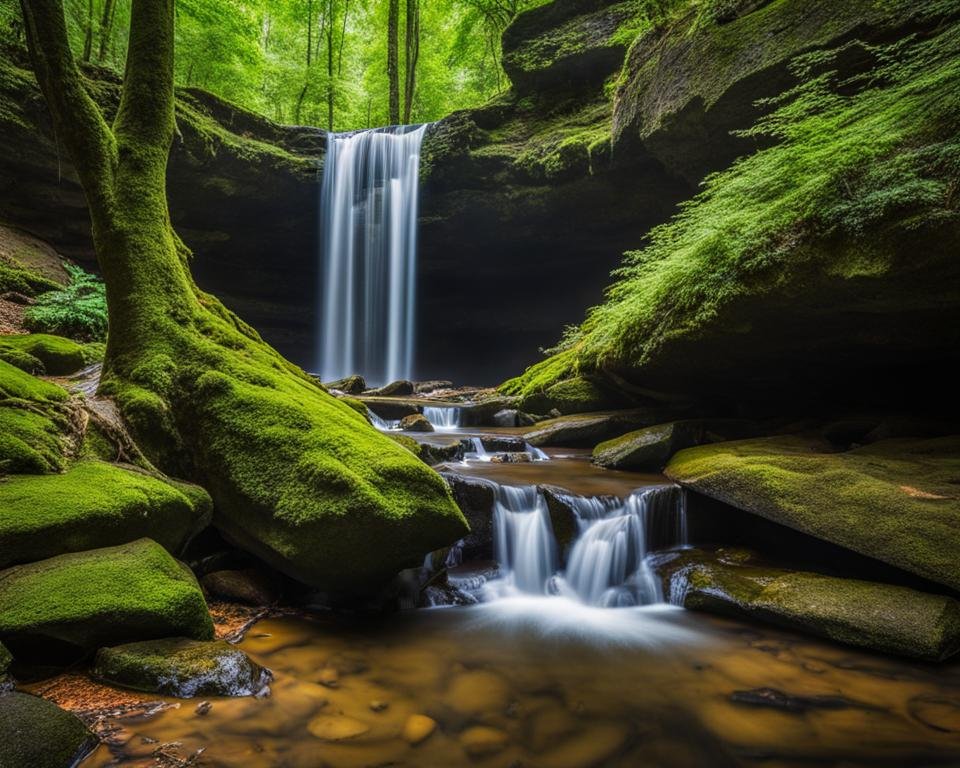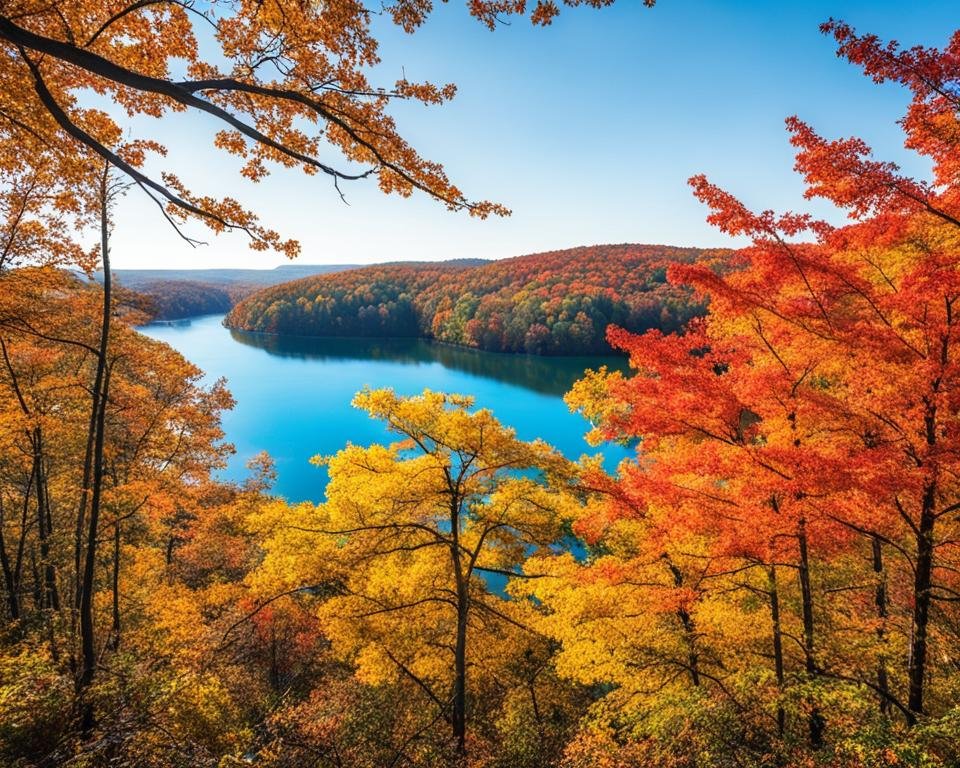
Montgomery Bell State Park is more than a collection of recreation facilities. Its forests, ridges, shallow valleys, lakes, and open areas create a varied landscape for watching birds, noticing seasonal plants, and slowing down enough to see how Middle Tennessee changes through the year.
The park also contains the Montgomery Bell State Natural Area, protected for its high-quality oak-hickory forest communities on the Western Highland Rim. That designation is a reminder that a family walk, a birding morning, and a serious nature study can all begin in the same park—but sensitive places deserve careful use.
What makes the landscape important
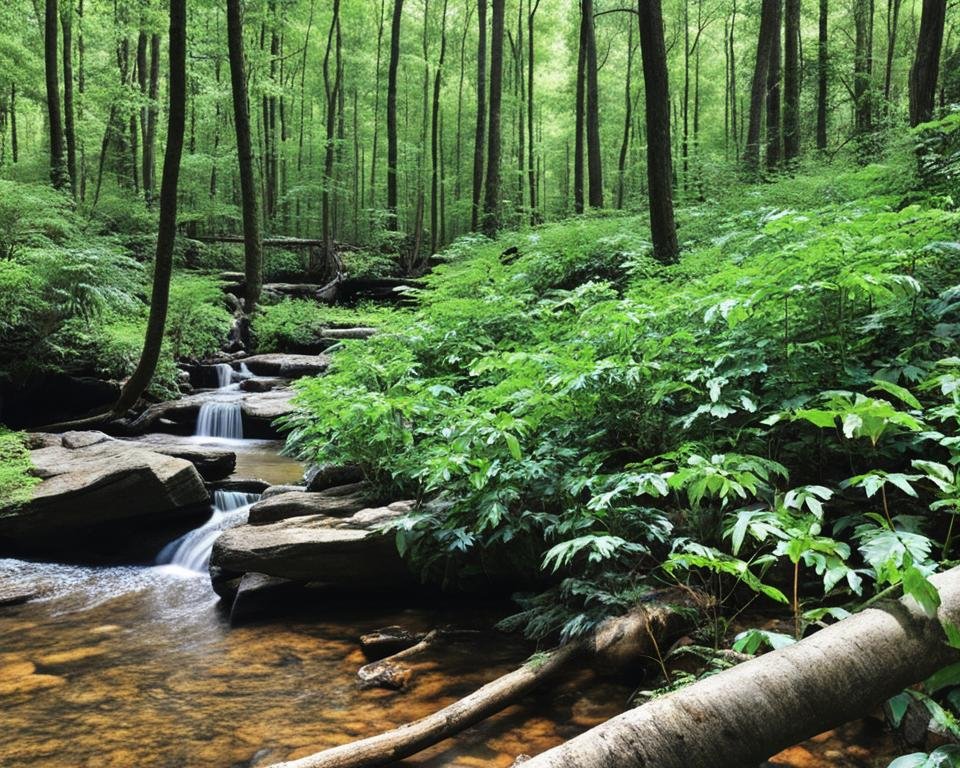
The designated natural area includes northern and southern tracts with different forest conditions. State natural-area information describes oak and hickory communities, moist forest areas with large trees, and a small remnant barrens community. These habitats support a richer experience than a simple checklist of species: the slope, light, moisture, season, and disturbance history all influence what you will see.
For a deeper look at protection and management, read Ecology and Conservation at Montgomery Bell State Park.
How to enjoy wildlife responsibly
- Look and listen from a respectful distance. Do not approach, follow, touch, or feed wildlife.
- Keep pets leashed where required and do not allow them to chase animals.
- Stay on established routes, especially around sensitive vegetation and wet ground.
- Carry binoculars or use a camera zoom instead of moving closer.
- Leave nests, flowers, rocks, and natural objects where you find them.
- Pack out food scraps and trash; even small scraps can change animal behavior.
Where to begin
Forest trails
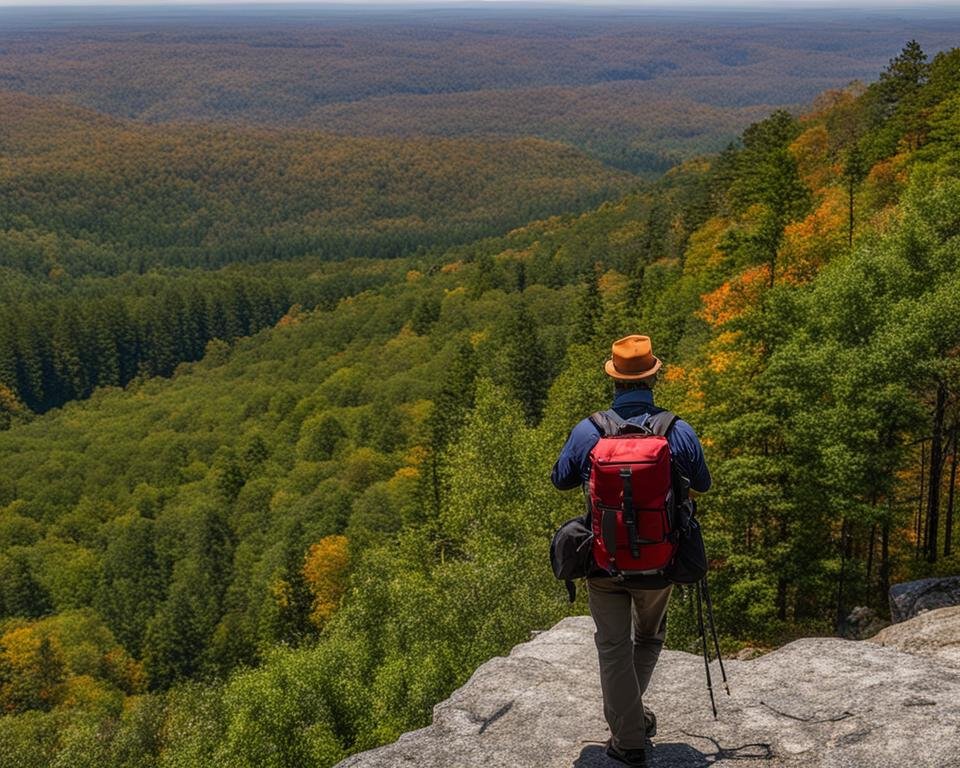
A trail walk offers the best way to notice changes between ridges, hollows, young growth, and older forest. Move quietly and pause often. Our hiking guide will help you choose a route, while the park map helps place that route in the larger landscape.
Lakes and shorelines
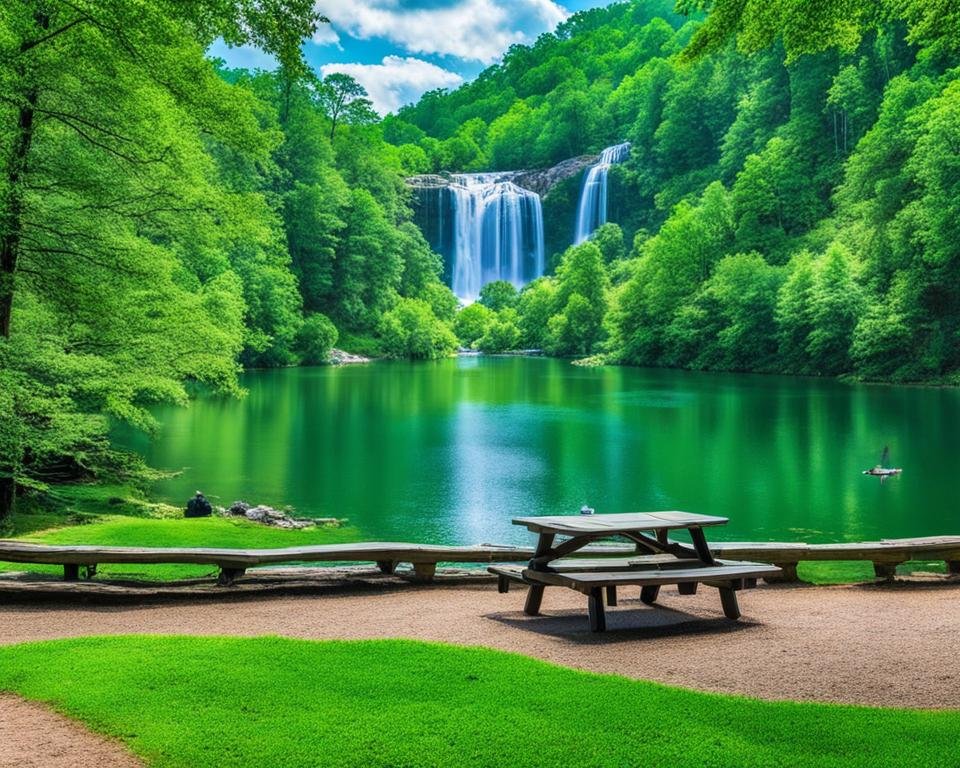
Lake edges create opportunities to watch birds, insects, and changing plant communities. Begin with the Lake Acorn guide, and avoid crowding animals along the shoreline.
Quiet mornings and late afternoons
Wildlife activity and comfortable temperatures often make the edges of the day rewarding, but visibility may be lower. Carry a light, tell someone your plan, and know when park facilities and trail areas close.
Birding in the park
Birding is one of the easiest ways to experience the park in every season. Listen before you look, scan forest edges and water, and avoid recordings or close approaches that may stress birds. Visitors who want a more focused plan should use our Montgomery Bell birding guide.
Plants through the seasons
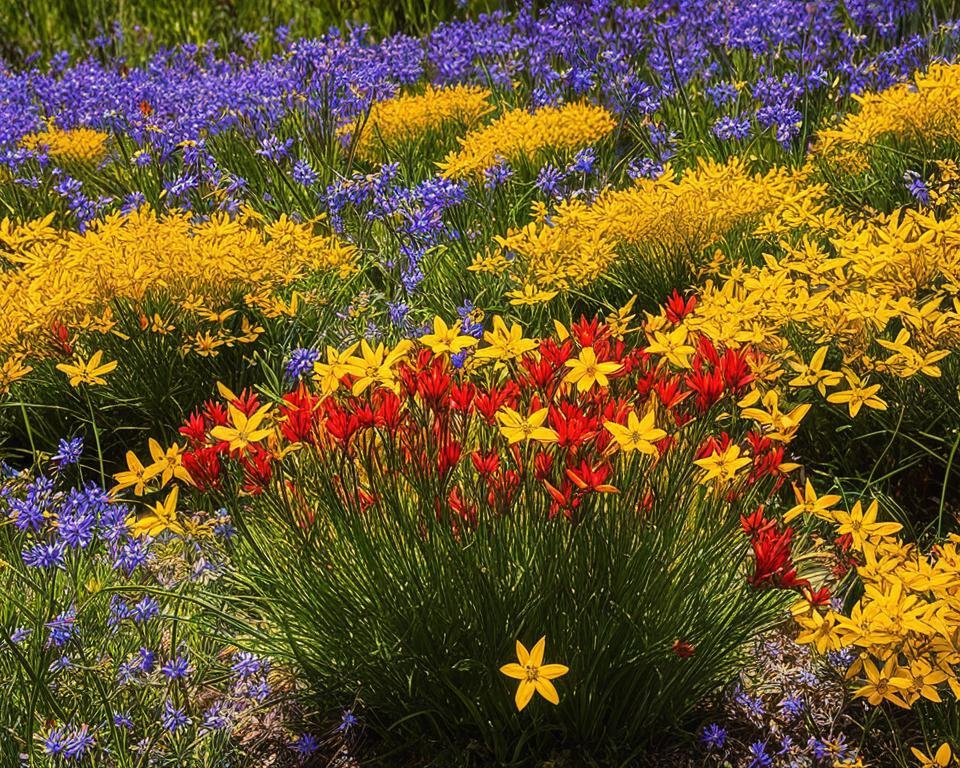
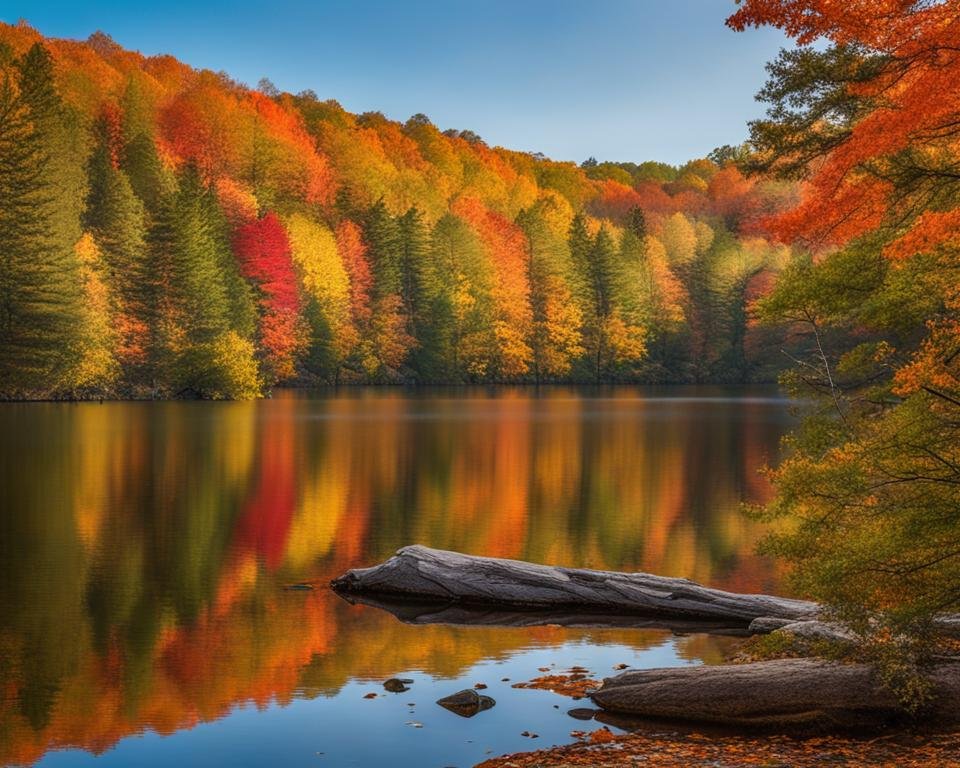
Spring growth, summer canopy, autumn color, and winter structure each reveal something different. Identification apps and field guides can help, but avoid treating an app’s result as certain—photographs, leaves, bark, habitat, and season all matter. Never collect plants, and do not publish precise locations for sensitive species.
Nature photography without damaging the place
Use longer focal lengths for animals, remain on durable surfaces, and resist moving branches or trampling plants for a cleaner composition. A photograph is not worth stressing wildlife or creating a new social trail. See our photographer’s guide for a broader trip-planning framework.
A simple nature-focused itinerary
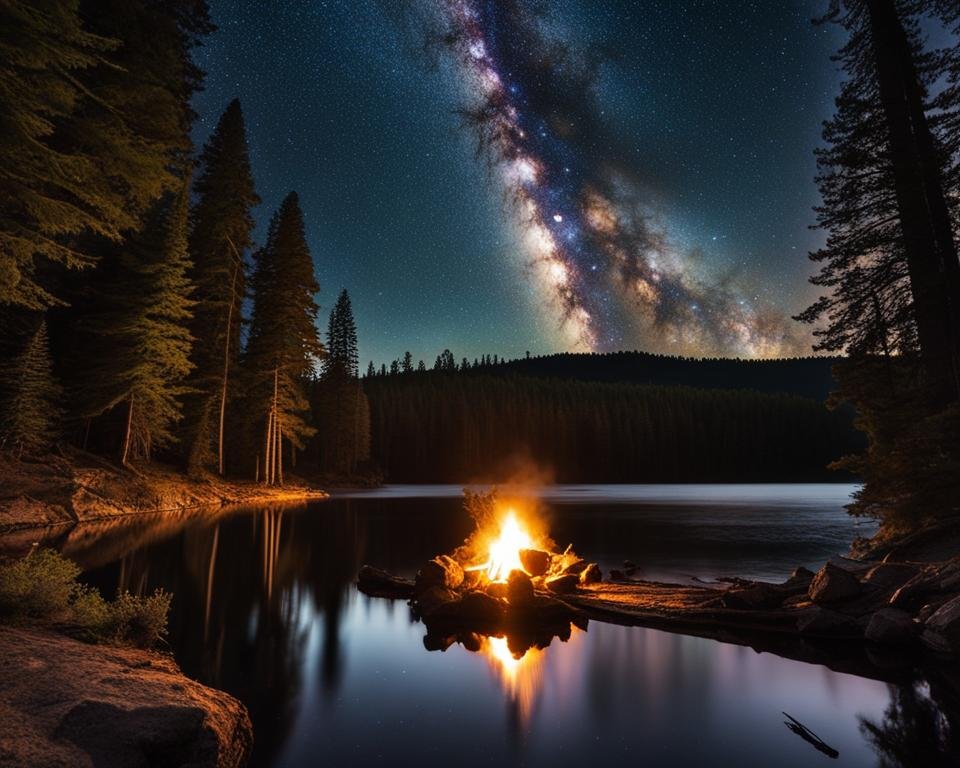
Early morning: Take a quiet forest or lakeside walk. Late morning: stop for a meal or picnic and record what you observed. Afternoon: choose a different habitat rather than repeating the same route. If you stay overnight, compare the lodging options and consider an evening devoted to the night sky using the stargazing guide.
Check current conditions
Trail access, programs, closures, and wildlife guidance can change. Review the official Montgomery Bell State Park page before traveling. Detailed information about the protected forest is available from the Tennessee Division of Natural Areas.
Nature and wildlife questions
Is wildlife viewing guaranteed?
No. Wild animals move according to food, weather, season, disturbance, and many other factors. A quiet, patient visit is more realistic—and usually more rewarding—than expecting a particular sighting.
Can visitors enter the state natural area?
The state lists public access, parking, and trails, but visitors should confirm current conditions and follow all posted rules. Stay on maintained routes and protect sensitive habitat.
What should I bring?
Comfortable footwear, water, weather protection, insect repellent, a map, and binoculars are a strong starting kit. Add a field guide or notebook if you want to identify and record observations.